Arboricultural Impact Assessment (AIA)
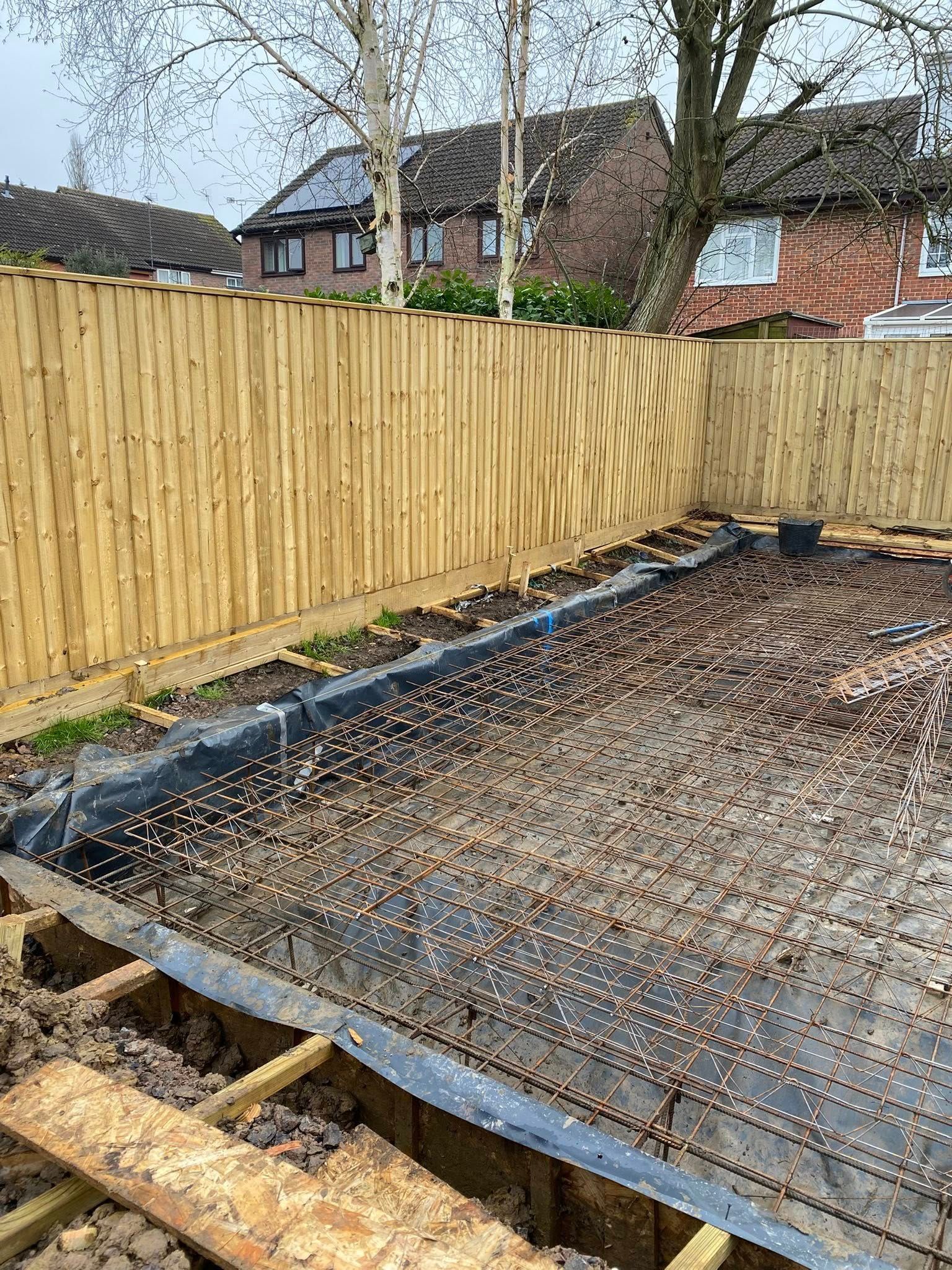
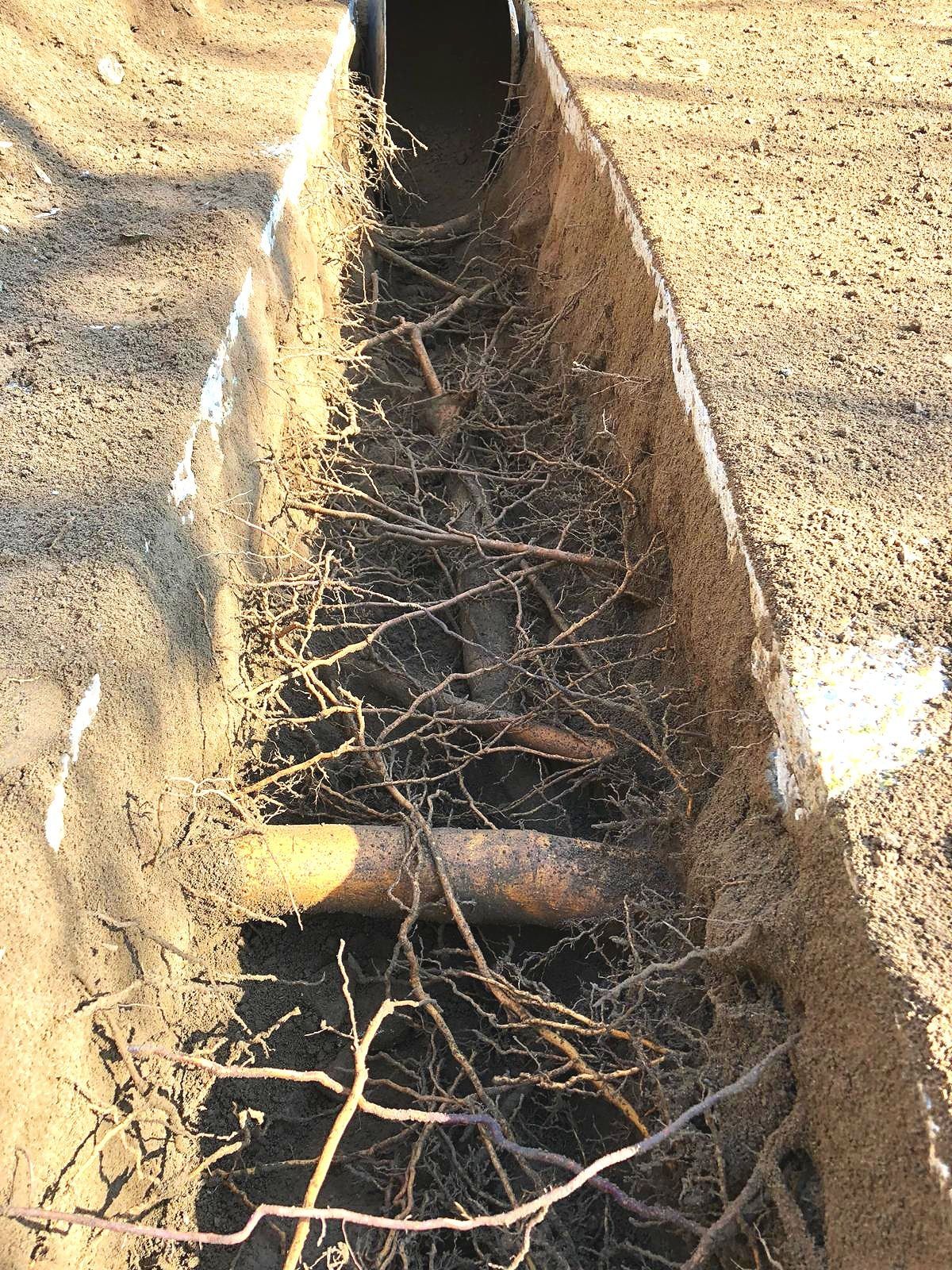
The Arboricultural Impact Assessment — AIA — is the written evaluation required as part of every BS5837 arboricultural planning package. It assesses the impact of the proposed development on every tree in the survey — direct impacts such as root severance and crown removal, and indirect impacts including soil compaction, drainage changes, changes to the growing environment, and shading of new structures.
Mitigation measures are specified for every retained tree.
This tree health assessment outlines how a construction project might affect nearby trees, as well as how those trees could impact the finished structure. Arboricultural Impact Assessments review the site's pre-construction conditions, evaluating tree quality in line with British Standard BS5837:2012, considering each tree's arboricultural, landscape, and cultural value, along with its expected remaining lifespan.
Detailed survey information is provided in the Tree Survey Schedules included in the report. Urban Tree Management's assessments also offer recommendations for remedial health and safety work, advice on which trees can be kept based on the site layout, protection measures during construction, specialist methods for building near trees, mitigation plans for any removals with planting specifications, and suggestions for ongoing care to extend the safe, useful life of retained trees.
Urban Tree Management's reports are professionally presented and are accompanied by both Tree Constraint Plans and Tree Protection Plans. Clearly presented drawings and comprehensive reports will increase the chances of planning permission being granted.
AIA to Become Arboricultural Impact Report
Under the new draft BS5837 the Arboricultural Impact Assessment will be renamed the Arboricultural Impact Report — AIR. The new format introduces a more detailed assessment of impacts on both individual trees and the tree population as a whole, a formal Hierarchy of Controls following an Avoid, Mitigate, Compensate approach, and a requirement to demonstrate no net loss of canopy cover over a 30-year period. Urban Tree Management's impact assessments are already structured to meet the requirements of the new draft standard.
What the AIA Assesses






What Every AIA Includes
Every AIA I produce is built to BS5837:2012. It opens with a full tree survey and constraints appraisal — species, dimensions, condition, retention category and estimated remaining contribution, with Root Protection Areas calculated and, where site conditions justify it, modified under Clause 4.6.2 with the reasoning stated on the face of the report. Impacts are quantified rather than described in general terms: each is identified, its magnitude assessed, and a significance rating applied against a stated scale, with direct impacts, indirect impacts, above-ground constraints and cumulative effects dealt with separately.
The statutory position is established at the outset — Conservation Area status, Tree Preservation Orders, tree ownership and highway status, and the consents each requires — because knowing who owns a tree, and who can authorise works to it, changes the whole consent route. Mitigation is engineered and specified to standard, not left as general comment: no-dig cellular confinement to BS5837 §7.4 and AA Guidance Note 12 for construction traffic, piled or suspended foundation solutions where structures cannot avoid an RPA, and supervised air-spade investigation to establish root presence and direction. Detailed design that properly belongs to the construction stage is identified as such and framed so a Local Planning Authority can condition it, rather than left as an apparent gap in the submission.
The AIA, Tree Constraints Plan, Tree Protection Plan and Arboricultural Method Statement are issued as a consistent, cross-referenced and version-controlled set, so that what the report says and what the drawings show do not diverge.
The result is a document a case officer can rely on, a contractor can build to, and a client can defend.
AIAs for Every Type of Development
The scope of an AIA scales with the development. Urban Tree Management produces impact assessments for householder extensions, new dwellings and infill plots, multi-plot residential schemes, commercial and industrial development, change of use and conversions, demolition and redevelopment, and development adjacent to ancient woodland or off-site trees. Whether the constraint is a single garden tree beside a proposed extension or an established tree population across a multi-plot site, the assessment establishes what can be retained, what is affected, and what protection and construction methodologies are required — including where the governing tree sits on neighbouring land outside the applicant's control.
Our Approach
Urban Tree Management gets involved at feasibility stage wherever possible. An AIA produced after the planning layout has been fixed is reactive — it identifies problems and specifies mitigation for a design that may have been avoidable. An arboricultural input at layout stage is proactive — it allows the Tree Constraints Plan or ACOP to inform the design before the footprint of buildings, access roads, and hard landscaping is determined. This reduces arboricultural impact, reduces the risk of onerous planning conditions, and produces better outcomes for both the development and the trees.
We have delivered Arboricultural Impact Assessments for planning applications to every local planning authority across Greater Manchester, Lancashire, and Cheshire — including for NHS Property Services, Blackpool Council, and Stockport Metropolitan Borough Council — and our assessments are accepted without requests for additional information.
What the AIA Report Contains
Every Arboricultural Impact Assessment from Urban Tree Management includes:
- Tree Survey Schedule — full BS5837 data for every surveyed tree
- Assessment of direct impacts — tree-by-tree evaluation of pruning and removal proposals
- Assessment of indirect impacts — all construction activities within or adjacent to Root Protection Areas
- Hierarchy of Controls — Avoid, Mitigate, Compensate approach under the new draft standard
- Mitigation schedule — specific measures for every retained tree
- Ready for new BS5837 draft. Canopy cover assessment — existing canopy, post-development canopy, and 30-year projections where required
- Replacement planting specification — where tree loss requires compensatory planting
- Reference to accompanying Tree Constraints Plan and Tree Protection Plan
FAQ
Is an AIA always required with a planning application?
An AIA is required where a planning application involves development near trees and where the impacts on those trees need to be assessed and documented for the local planning authority. Most applications involving a BS5837 tree survey will also require an AIA. Urban Tree Management advises on the appropriate level of documentation before any work begins — contact us with your site address for free advice.
What is the difference between an AIA and an AIR?
The Arboricultural Impact Assessment — AIA — is the current BS5837:2012 term. The Arboricultural Impact Report — AIR — is the new draft BS5837 term for the same document, updated with a Hierarchy of Controls framework and canopy cover requirements. Urban Tree Management is already producing to the AIR format.
Can you get involved at layout stage before the planning application is prepared?
Yes — and we strongly recommend it. Early arboricultural input allows the Tree Constraints Plan or ACOP to inform the design before the footprint is fixed. This reduces arboricultural impact and the risk of onerous planning conditions significantly.
Do you work directly with architects and planning consultants?
Yes — Urban Tree Management works directly with architects, planning consultants, structural engineers, and design teams throughout the planning process. Contact us at feasibility stage to discuss the most efficient workflow for your project.
Are your AIAs accepted by local planning authorities?
Yes — Urban Tree Management has detailed knowledge of the validation requirements, tree officer expectations, and local planning policies of every local planning authority across the North West. Our assessments are accepted without requests for additional information.
Arboricultural Impact Assessment — AIA — Greater Manchester, Lancashire, Cheshire & Nationwide
Urban Tree Management produces BS5837 Arboricultural Impact Assessments and new draft AIR format reports for planning applications across the North West. Free fixed-fee quotes provided within two hours during working hours.
Get in contact with our highly experienced and personable team of arboricultural consultants today, to discuss your requirements and to obtain your zero obligation quotation.