Tree Surveys in South Ribble
Urban Tree Management NW Ltd is an independent arboricultural consultancy covering Leyland, Penwortham, Bamber Bridge, Longton and the rest of South Ribble.
We’re based a short drive away in Westhoughton. We provide BS5837 tree surveys for planning, TPO and conservation area advice, pre-purchase and mortgage reports, decay detection and tree risk surveys for homeowners, architects, developers, schools and businesses. We are consultants only. We don’t carry out tree work, so our advice is independent of any contractor.
Trees & Planning in South Ribble
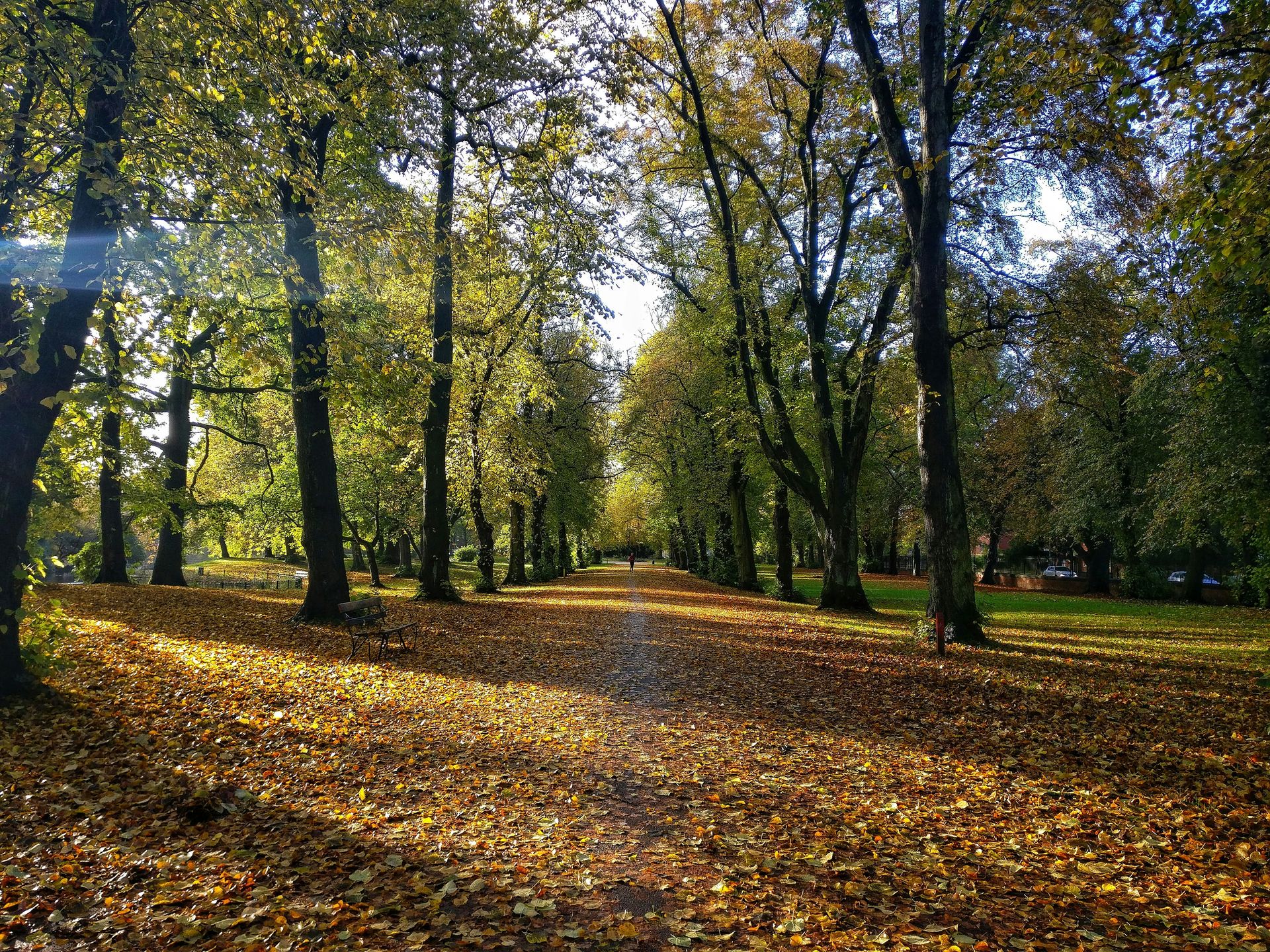
South Ribble sits between Preston and Chorley, running from the banks of the River Ribble down to the mosslands around Longton and Walmer Bridge. It has a mix of established towns, growing new-build estates and farmland. Worden Park in Leyland, Cuerden Valley Park, Hurst Grange Park in Penwortham and the Ribble and Darwen valleys hold some of the area’s most mature trees, and the older parts of Penwortham, Leyland and Walton-le-Dale have large garden trees close to houses.
It’s also one of the faster-growing parts of Lancashire, with new housing around Leyland, Farington, Lostock Hall and Penwortham alongside extensions and garden plots in the villages. Many sites have mature hedgerow oaks, woodland edges or protected trees nearby. South Ribble Borough Council expects trees to be properly considered with the application. A BS5837 survey done before the design is fixed is the most reliable way to avoid delays and redesigns.
Our Tree Survey Services in South Ribble


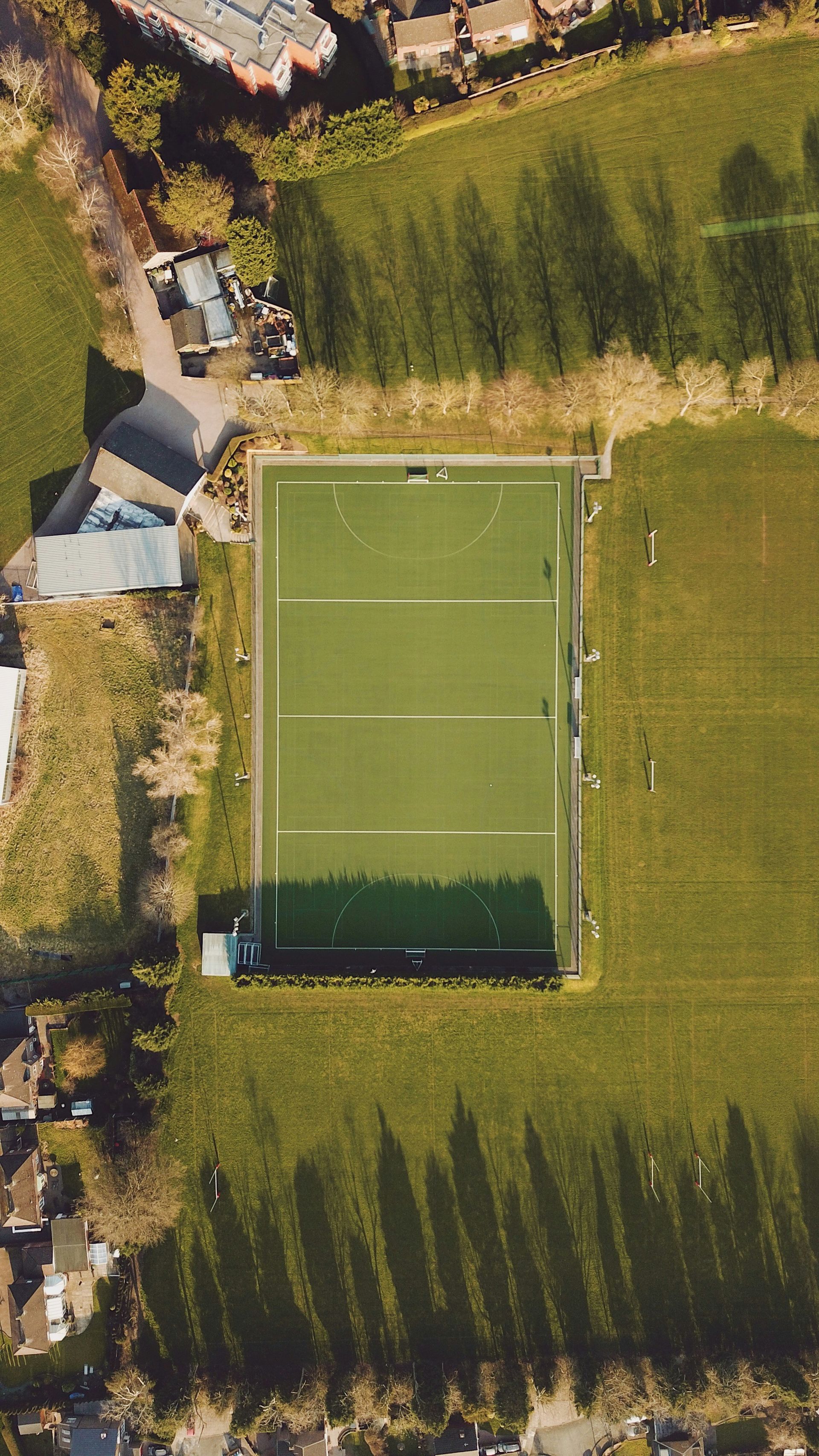
Around the Borough: Where Trees Shape Planning
Penwortham & Hutton
These are established suburbs above the Ribble, with large gardens, mature trees and Hurst Grange Park. Typical jobs are extensions, garden rooms and replacement houses near large garden and neighbouring trees, plus pre-purchase reports.
Leyland, Farington & Moss Side
There’s a town centre, Worden Park, older housing and large new-build estates. Typical jobs are BS5837 surveys for extensions and infill plots, and reports on retained trees on newer estates.
Bamber Bridge, Lostock Hall & Walton-le-Dale
This is older housing, business parks and the Cuerden Valley and Darwen valley woodlands. Typical jobs are surveys for redevelopment and commercial sites, and householder extensions near mature trees.
Longton, Walmer Bridge & Much Hoole
These are mossland villages with farmsteads, hedgerow trees and larger plots. Typical jobs are new dwellings, barn conversions, extensions and tree condition surveys for homeowners.
Higher Walton, Gregson Lane & Samlesbury
This is rural land in the east of the borough, with farmland, woodland and edge-of-village sites. Typical jobs are feasibility surveys and BS5837 reports for rural development.
South Ribble Tree Survey Work: A Local Focus
Over the years, our work across South Ribble has included:
- A tree survey for a homeowner in Walmer Bridge.
- A tree survey for a homeowner on Cop Lane, Penwortham.
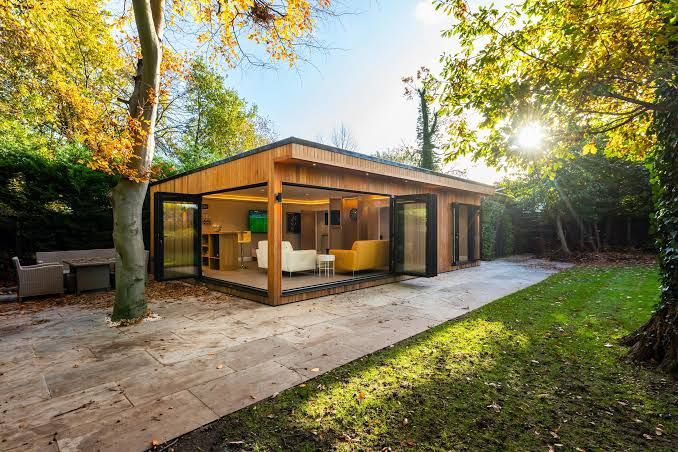
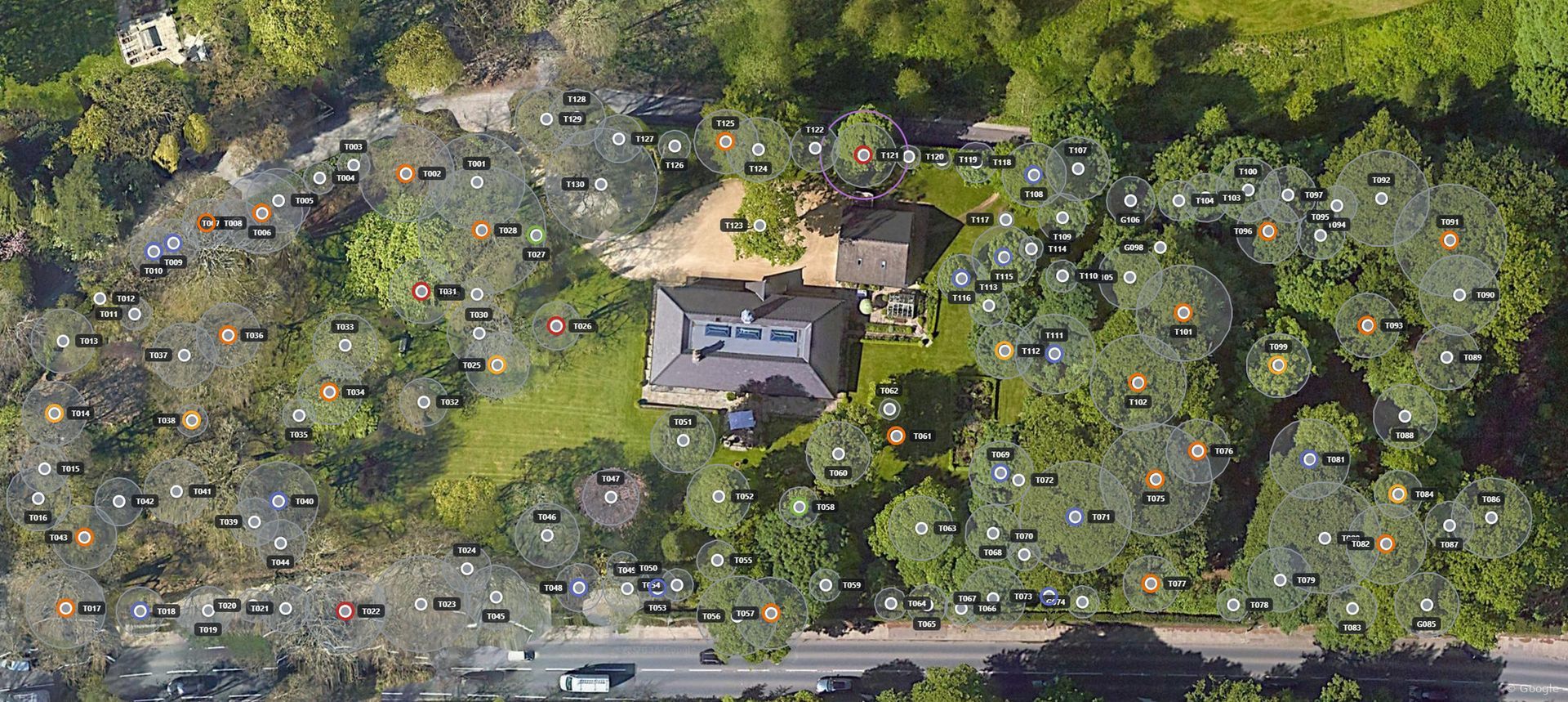
- House extensions and garden rooms close to mature and neighbouring trees, with tree constraints plans, impact assessments and Tree Protection Plans for the planning application.
- New driveways and hardstanding near trees, specifying no-dig construction and ground protection so roots within the root protection area aren’t damaged.
- Barn conversions and farmstead schemes in the mossland villages, where access routes, parking and services often affect hedgerow trees more than the building itself.
- New dwellings on garden plots and infill sites, with feasibility surveys before design so the layout works around the trees from the start.
- Pre-purchase reports for buyers where a lender has flagged trees near the property.
We also work just over the borough boundary in Chorley, Preston and West Lancashire, including risk surveys in Clayton-le-Woods and a replacement planting scheme in Mere Brow.



Clay Soils & Pre-Purchase Reports in South Ribble
Much of South Ribble has clay soils, with mossland towards Longton and the coast. On clay, trees close to a house can draw moisture from the soil and, in some cases, contribute to movement in shallow foundations. That’s why lenders and surveyors often ask for a tree report when a property has large trees nearby.
Our pre-purchase reports set out each tree’s species, size and distance to the building, the likely influence on foundations, and any management needed, in plain terms a buyer and lender can act on.
South Ribble Borough Council’s Planning Policy on Trees
South Ribble’s development plan is made up of the Central Lancashire Core Strategy (2012), shared with Preston and Chorley, and the South Ribble Local Plan (adopted July 2015). Local Plan Policy G13 (Trees, Woodlands and Development) deals with the protection of trees and woodland on development sites. The three councils have also prepared a new Central Lancashire Local Plan, submitted for examination in June 2025, and the examination is ongoing.
In practice, where trees are on or next to a site, South Ribble Borough Council will usually expect a tree survey to BS5837:2012 with the application. If trees are to be removed or worked near, it also expects an impact assessment and protection details.
Protected Trees in South Ribble
You need the council’s consent before working on a tree covered by a Tree Preservation Order. In a conservation area, you must give six weeks’ notice before working on most trees. Carrying out work without consent can lead to prosecution and a replanting requirement. If you aren’t sure whether a tree is protected, ask us and we’ll check as part of the job.
Why Choose Urban Tree Management in South Ribble
- Local: We’re based in Westhoughton, a short drive from Leyland and Penwortham.
- Qualified: Dip Arb (ABC) Level 6, MArborA, QTRA Registered User and LANTRA Professional Tree Inspector.
- Independent: We are consultants only, with no tree surgery to sell.
- Decay testing in-house: We carry out tomography and resistance drilling ourselves.
- CAD and GIS plans: We provide accurate, scaled plans that drop straight into your architect’s drawings.
- Enhanced DBS checked: We work on school, nursery and care sites.
Get your tree survey booked in!
We operate across South Ribble and deliver high-value services at competitive rates through our skilled tree surveyors and consultants.
Friendly and fully qualified, our team brings expertise in various areas of the industry, offering a wide range of services to private, commercial, and government clients, often meeting tight deadlines with ease.
How It Works
Three steps to obtain a quote - We will give you with a free, comprehensive quote detailing all necessary information to commencement
- Complete our form or call and please provide us with your survey request, the size of the site, and any extra necessary information, with no site visit necessary
- Once the quote is accepted. Give us the go-ahead and then we’ll then arrange a day for your survey and get to work.
- Once your survey is complete, we will write and finalize your report and send it over to you by email.
Frequently Asked Questions
Do I need a tree survey for a planning application in South Ribble?
If there are trees on the site, or on neighbouring land close enough to be affected, the council will usually expect a BS5837 tree survey with the application.
Do I need a tree survey for a barn conversion near Longton?
If there are trees near the building, the access route or where services will run, the council will usually expect a BS5837 survey with the application.
Do mortgage lenders ask for tree reports?
Yes, often. When a valuer flags trees close to a property, the lender may want a tree report before releasing funds.
How do I find out if a tree has a TPO?
Contact South Ribble Borough Council, or ask us to check as part of your survey
How much does a tree survey cost?
It depends on the number of trees, the site and the type of report. Send us the details and we’ll give you a fixed quote.
Not sure which survey you need? See our guide → Which Tree Survey Do I Need?
Areas Covered
We cover the whole of South Ribble, including Leyland, Farington, Moss Side, Penwortham, Hutton, Longton, Walmer Bridge, Much Hoole, Bamber Bridge, Lostock Hall, Walton-le-Dale, Higher Walton, Gregson Lane and Samlesbury. For Chorley, Preston and West Lancashire, see those pages.